
Pay for the wine, not the label.
Who grew the grapes, who bottled the wine, what its medal is really worth and what shops charge for it — across 1,398 bottles in the catalogue.
Photo credit and licence
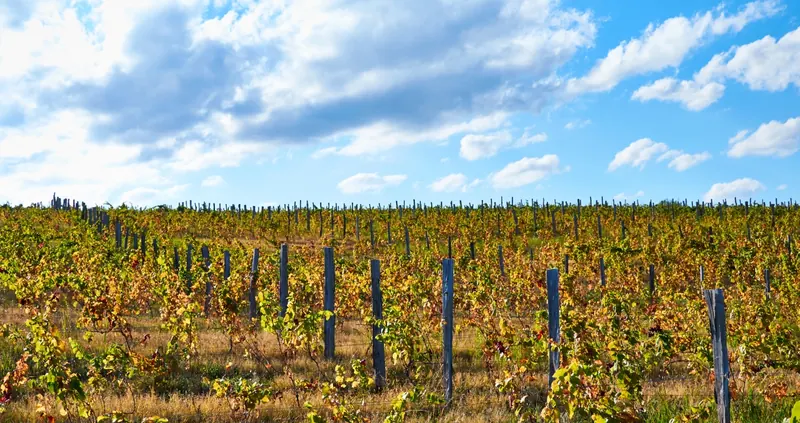
Vineyards near Bulboaca, Anenii Noi · photo: Nixalsverdrus / Wikimedia Commons, CC BY-SA 3.0
Not sure what to pick? Answer three plain questions.
No tasting notes dressed up as poetry. You get three to five bottles, each with the reason it was chosen for you.
Your bottles
3 of 1,398
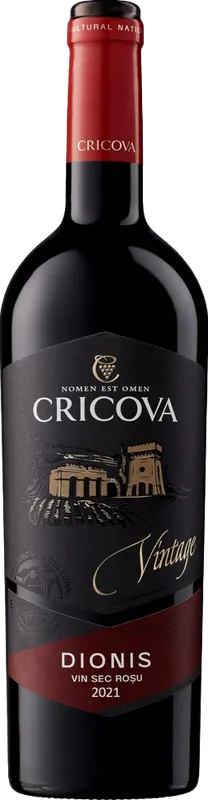
Dionis
91.70 leiCricova
Dry
RedBest matchProducer: Estate
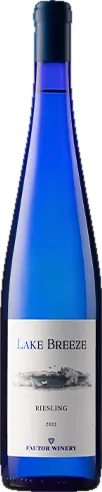
Lake Breeze Riesling
350.00 leiFautor
Dry
WhiteAlso a matchProducer: Estate
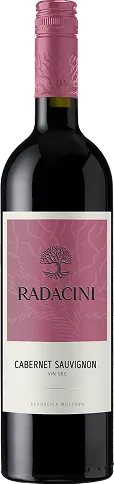
Cabernet Sauvignon
99.00 leiRădăcini
Dry
RedAlso a matchProducer: Estate
Every suggestion links back to the facts behind it.
Filter it like a buyer, not like a sommelier.
Colour, sweetness, region, grape, producer category and price — every row is comparable because every row was collected the same way.
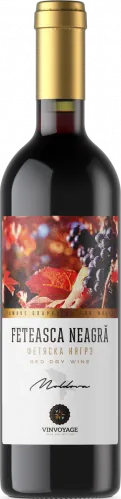
Vinvoyage Feteasca Neagra
KVINT
Codru
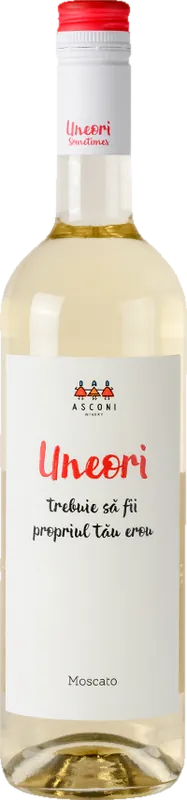
Moscato
Asconi
Codru
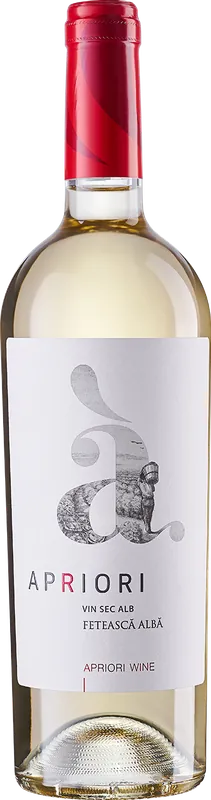
Fetească Albă
Apriori
Valul lui Traian
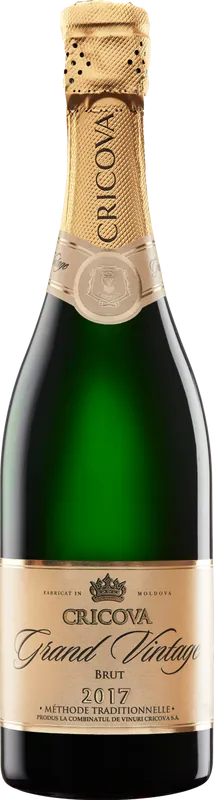
Grand Vintage
Cricova
Codru
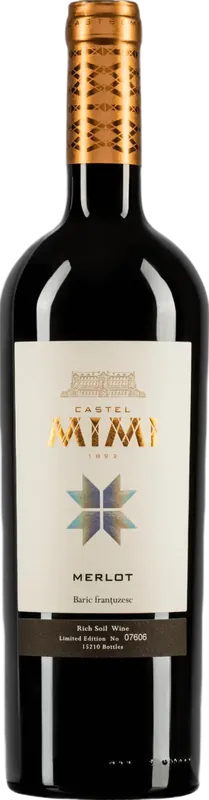
Merlot
Castel Mimi
Codru
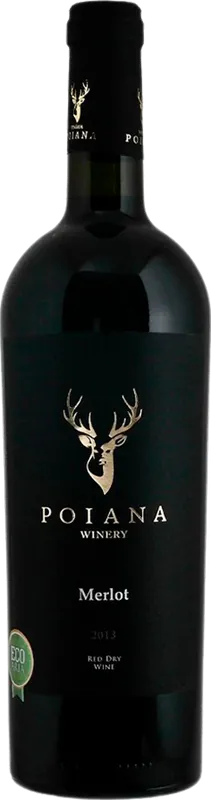
Merlot
Poiana
Codru
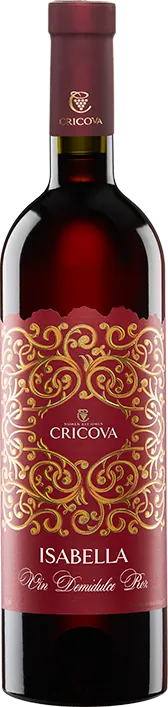
Isabella
Cricova
Codru
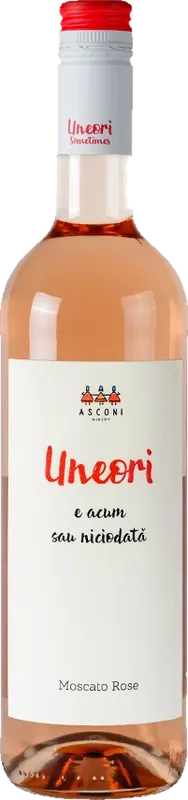
Moscato Rosé
Asconi
Codru
Showing 8 of 1,398 wines catalogued · prices from public shop listings, each with its date
Shortlists we maintain for you.
Curated sets from the catalogue, refreshed as the data changes. Nothing here is sponsored.


Moldovan rosé wines
Rosé wines from Moldovan producers, still and sparkling.


Dry Moldovan reds
Cabernet Sauvignon, Merlot, Fetească Neagră, Saperavi, Rară Neagră and other dry Moldovan reds.


Moldovan sparkling wines
Sparkling wines from Moldovan producers. Sweetness (brut, semi-dry etc.) as stated on the label.


Moldovan sweet wines
Sweet wines from Moldovan producers, by the sugar level on the label.
3 regions, 4 appellations, one honest map.
Where the wine comes from decides what it can taste like. Move across the map — each region shows how much of the catalogue sits behind it, including the regions where we have almost nothing yet.
Wine regions
3
- fewer winesmore wines
- Region in focus
Codru
259 winesMain grapes: Cabernet Sauvignon, Merlot, Chardonnay
Estate, industrial or just a trading brand.
The difference shows up in the glass and in the price. We classify producers from public records, then let them respond.
 Estate
Pelican Negru
5 wines in the catalogue
Own grapes, own winemaking and bottling — all confirmed by sources.
I.L. amor
0 wines in the catalogue
Small output: up to 100,000 litres a year (about 133,000 bottles). Group-owned and state-owned producers do not receive this label.
The other 63 producers have a summary of facts: some have their own vineyards, for some there is no data yet. All wineries
A verdict is only worth the sources behind it.
Every claim on this site carries a citation. Where the record is thin, we say so instead of filling the gap with a tasting note.
Style
Colour, sweetness, sparkling or semi-sparkling — from the producer's data sheet or label, with the source of each claim next to it.
Where the fruit came from
Own vineyards, contract fruit and bought wine are three different businesses. We label each one differently.
What a medal is worth
Which competition, which year, how heavy its weight class. A medal without that context is decoration, not evidence.
What shops charge
Prices sampled from public shop listings, each with its date, so “expensive” is a number you can check rather than a feeling.

Sources behind a wine page
- 1. Wine agency register
- 2. Producers' own sites
- 3. Public shop listings
- 4. Competition results
Producers can respond to any verdict. Responses are published next to the claim they answer.
Where to taste it, not just read about it.
Festivals and tastings across the country, listed with venue and organiser so you can find them on the ground.
Classifications are based on public data with cited sources. Producers can respond via the methodology page.